

Online marketplaces account for the largest share of online purchases worldwide, yet finding a curated selection of unique products often requires looking beyond massive generalist platforms. Statista notes that while large marketplaces lead in volume, specialized curators offer distinct value through personalized service and quality control. This guide explains how to identify, verify, and shop with curated online retailers like Dee's Treasures, which focuses on bringing joy to shoppers through carefully selected collections and dedicated support.
How to Choose a Curated Retailer
Choosing the right online shop for unique items requires looking past inventory size. A curated retailer is a business that selects products based on specific quality standards, aesthetic coherence, or niche expertise rather than stocking everything available. The primary differentiator is the curation process itself. Generalist platforms rely on algorithmic recommendations and third-party sellers, whereas curated shops like Dee's Treasures emphasize a carefully selected collection of unique treasures that you won't find anywhere else. according to Global digital shopping
Assessing Curation Quality
Look for clear editorial voice in product descriptions. High-quality curation involves storytelling that explains why an item was chosen. Check if the site highlights the mission behind the selection. For example, a shop dedicated to bringing joy to every shopper will typically provide detailed context for each item, helping you understand its value beyond a simple price tag.
Evaluating Service Depth
Personalized service is a critical marker of a premium curated experience. Does the retailer offer a dedicated team to answer questions and accommodate special requests? This level of engagement is rare in massive marketplaces but is central to the philosophy of specialized boutiques. If the site emphasizes exceptional service and quality products, it signals a commitment to the customer relationship rather than just transaction volume.
What to Ask Before Committing
Before making a purchase, you should ask specific questions to ensure the retailer aligns with your needs. These questions help verify the authenticity of the curation and the reliability of the service.
Questions About Product Sourcing
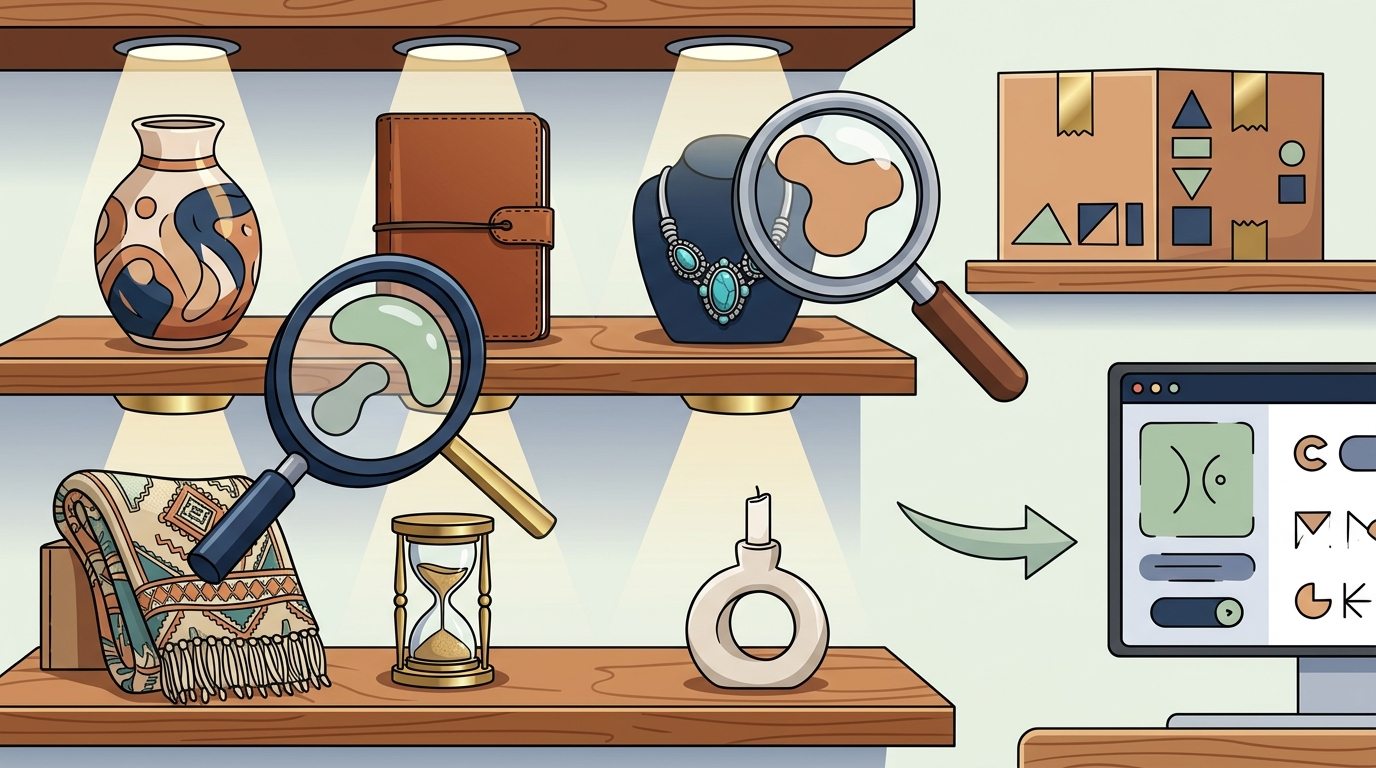
Ask where the products come from. Are they sourced from independent artisans, small brands, or established manufacturers? Understanding the supply chain helps you gauge the uniqueness of the items. If the shop claims to offer items you won't find elsewhere, ask for details on the exclusivity of their partnerships.
Questions About Support and Returns
Inquire about the return policy and the ease of contacting support. A reputable curated shop will have clear guidelines for returns and a responsive team. Ask if they can accommodate special requests, such as gift wrapping or specific sizing advice. This interaction often reveals the true quality of the customer experience.
How to Verify Claims and Credentials
Verifying the legitimacy of an online retailer is essential to avoid fraud and ensure quality. Verification involves checking external signals and internal consistency.
Checking Digital Footprint
Search for the business name in combination with terms like "reviews" or "scam." Look for consistent branding across social media platforms and the website. A legitimate business will have a coherent online presence. Check the domain age and registration details to ensure the site has been established for a reasonable period.
Validating Product Authenticity
For unique products, verify the authenticity of the items. If the shop sells handmade or artisan goods, look for links to the creators or detailed production stories. Cross-reference product images with other platforms to ensure they are not stolen from other retailers. Consistency in image quality and description accuracy is a strong indicator of a genuine operation.
How the Shopping Process Works
Understanding the workflow of a curated online shop helps set realistic expectations. The process typically involves browsing, selecting, and receiving personalized support.
Browsing and Discovery
Unlike algorithm-driven feeds, curated shops often organize products by theme, collection, or story. This allows for a more intentional discovery process. You can browse at your own pace, reading the narrative behind each item. This approach reduces decision fatigue and helps you find items that truly resonate with your taste.
Ordering and Fulfillment
Once you select an item, the ordering process is straightforward. However, the fulfillment phase may differ from large marketplaces. Curated shops often handle packing and shipping in-house to ensure quality control. This can sometimes mean slightly longer shipping times but often results in better packaging and care for the product.
What Drives the Cost
Pricing in curated shops is influenced by several factors beyond the base cost of the product. Understanding these drivers helps you evaluate value.
Quality and Exclusivity
Higher prices often reflect superior materials, craftsmanship, or exclusive access to limited-run items. Curated retailers invest in sourcing high-quality products, which is passed on to the consumer. You are paying for the assurance that the item meets specific standards and is not mass-produced.
Service and Experience
Common Mistakes and How to Avoid Them
Shoppers often make errors that lead to dissatisfaction. Avoiding these pitfalls ensures a positive experience.
Ignoring Return Policies
One of the most common mistakes is failing to read the return policy before purchasing. Always check the terms regarding time limits, condition requirements, and return shipping costs. This prevents unexpected fees and stress if the item does not meet your expectations.
Assuming Size or Fit
For clothing or sized items, do not assume standard sizing. Curated shops may carry items from various brands with different sizing standards. Use the provided size charts and contact support for advice. This simple step avoids the majority of fit-related returns.
Curated Shops Versus Generalist Marketplaces
Comparing curated shops with generalist marketplaces highlights distinct trade-offs. The following table summarizes the key differences.
| Selection | Hand-picked, unique, limited inventory | Massive, algorithmic, broad inventory |
| Service | Personalized, dedicated team support | Automated, generic customer service |
| Discovery | Thematic, story-driven browsing | Search-driven, recommendation-based |
| Price | Reflects quality and exclusivity | Competitive, driven by volume |
Shopping for Specific Situations
The best choice for a curated shop depends on your specific shopping goal. Different situations call for different approaches.
Gift Giving
When shopping for gifts, curated shops excel. The personalized service allows you to ask for recommendations based on the recipient's interests. The careful curation ensures the gift is unique and thoughtful, avoiding the risk of buying something generic. This is particularly valuable for special occasions where the gift needs to stand out. according to Global digital shopping
Personal Collection Building
Consumer Rules and Protections
Online shopping is governed by consumer protection laws that vary by region. Understanding these rules protects your rights.
Right of Withdrawal
In many jurisdictions, consumers have a right to withdraw from a distance contract within a specific period, often 14 days. This allows you to return an item without giving a reason. Check the specific laws in your country or state to understand your exact rights.
Warranty and Liability
Sellers are generally liable for defects in the product. If an item arrives damaged or does not match its description, you are entitled to a repair, replacement, or refund. Keep records of your purchase and any communication with the seller to support your claim.
Local and Regional Specifics
While online shopping is global, local factors can influence your experience. For US-based shoppers, specific considerations apply.
Shipping and Customs
If the retailer is based in the USA, shipping within the country is typically straightforward and cost-effective. For international shoppers, customs duties and import taxes may apply. Always check the retailer's shipping policy to understand these costs before ordering.
Support Availability
Time zone differences can affect the speed of support responses. If the retailer operates in a specific time zone, plan your inquiries accordingly. A dedicated team that is aware of your location can provide more relevant advice and faster assistance.
Timing Your Purchase
Timing can impact both availability and price. Curated shops often have limited inventory, so timing is crucial.
Seasonal Collections
Many curated retailers release seasonal collections. Shopping early in the season ensures you have the widest selection. Waiting may result in popular items selling out. Plan your purchases around these release cycles to maximize your choices.
Special Events
Keep an eye out for special events or sales. While curated shops may not offer frequent discounts, they may have limited-time offers or exclusive items during specific periods. Subscribing to their newsletter or following their social media can help you stay informed.
Long-Term Results and Expectations
Building a relationship with a curated retailer yields long-term benefits. Over time, you develop a trust in their curation and service.
Personalized Recommendations
As you make more purchases, the retailer may offer personalized recommendations based on your history. This enhances the discovery process and helps you find items that align with your evolving taste. The ongoing relationship adds value beyond individual transactions.
Community and Engagement
Many curated shops foster a sense of community among their customers. Engaging with their content and sharing your experiences can lead to deeper connections and access to exclusive offers. This long-term engagement transforms shopping from a transaction into a meaningful experience.
Key Takeaways
- Curated retailers focus on quality and uniqueness rather than volume, offering a distinct value proposition.
- Personalized service is a key differentiator, with dedicated teams ready to answer questions and accommodate requests.
- Verify the legitimacy of a shop by checking its digital footprint and product authenticity.
- Understand the pricing drivers, which include quality, exclusivity, and the cost of personalized service.
- Avoid common mistakes such as ignoring return policies and assuming standard sizing.
- Curated shops are ideal for gift giving and building personal collections due to their thoughtful selection.
- Consumer protection laws, such as the right of withdrawal, provide safety nets for online purchases.
- Timing your purchase around seasonal collections can maximize your selection and availability.
Frequently Asked Questions
What is a curated online shop?
A curated online shop is a retailer that selects products based on specific quality standards or aesthetic coherence, offering a hand-picked collection rather than a massive, algorithmic inventory. according to Topic E commerce
How does Dee's Treasures differ from large marketplaces?
Dee's Treasures focuses on bringing joy to shoppers through a carefully selected collection of unique treasures and personalized service, whereas large marketplaces prioritize volume and algorithmic recommendations.
Can I return items purchased from a curated shop?
Yes, most reputable curated shops have return policies. However, terms vary, so it is essential to read the specific policy before purchasing to understand time limits and conditions.
How do I verify if a curated shop is legitimate?
Check the shop's digital footprint, including social media presence and domain age. Look for consistent branding and detailed product descriptions that indicate genuine curation and sourcing.
Why are curated items often more expensive?
Higher prices reflect the cost of quality materials, exclusive sourcing, and the personalized service provided. You are paying for the assurance of uniqueness and the effort involved in curation.
Is it safe to shop with a small curated retailer?
Yes, provided you verify their legitimacy and understand their policies. Small retailers often offer superior customer service and quality control, but due diligence is always recommended.